AI-Powered Chatbots: A Game-Changer for your Business

As a business owner, you’ve probably noticed the shift. Customers expect fast, convenient, and personalized support—anytime, day or night. And if your website is running on WordPress or WooCommerce, you already have a powerful platform. But what if you could take it a step further and give your customers instant, 24/7 help—without adding to your workload?

That’s where AI-powered chatbots come in. And as a web services team that specializes in WordPress and WooCommerce, we’ve seen firsthand how these tools can completely transform customer support, boost sales, and improve user experience.

What Is an AI Chatbot, Really?

Let’s clear something up first. Not all chatbots are created equal. Those old-school bots with canned replies? They’re not what we’re talking about here.

Modern AI-powered chatbots use natural language processing and machine learning to actually understand your customers. They don’t just answer FAQs—they can guide users through your product catalog, help them track orders, troubleshoot common issues, and even qualify leads.

And because they learn and improve over time, they get better the more your customers interact with them.

Why Your Business Needs One

If you’re running a WooCommerce store or a WordPress-powered site with customer interaction, you’re probably juggling a lot already—order management, support tickets, marketing, content updates, SEO…the list goes on.

An AI chatbot can take a huge chunk of the support burden off your plate. Imagine being able to:

  • Answer common customer questions instantly
  • Reduce support requests by up to 40%
  • Help shoppers find products faster
  • Collect leads even when your team is offline
  • Provide consistent, friendly responses—every single time
  • For many of our clients, the chatbot becomes a silent support team member that works around the clock.

Seamless Integration with WordPress and WooCommerce

The best part? Implementing AI chat on WordPress or WooCommerce is easier than you might think. We’ve helped dozens of businesses integrate smart chat solutions that match their brand and site design—no clunky add-ons or confusing setup.

Some bots are plug-and-play; others are fully customizable. Whether you need something simple to handle FAQs or a more advanced assistant that ties into your store’s backend, there’s a solution that fits.

It’s About More Than Support—It’s About Growth

Adding an AI chatbot isn’t just a tech upgrade—it’s a customer experience upgrade. When your visitors feel supported, they’re more likely to convert, buy again, and recommend you to others.

And in a competitive online space, that edge matters.

Ready to Explore What’s Possible?

Let’s explore how a smart chatbot can save you time, support your customers, and help your business grow—day and night.

You focus on growing your business. We’ll help you build a smarter, more supportive website to match.

Schedule a free consultation today and let’s get started. 

Top 10 Features Every WooCommerce Website Needs in 2025

As we move through 2025, having a well-optimized, user-friendly, and future-ready WooCommerce website is more critical than ever. Whether you’re selling physical products, offering digital services, or simply using your site as an informational hub, keeping up with the latest features can give your business a strong competitive edge. At NDIC, we specialize in Managed WordPress Hosting, custom programming, and WordPress web design — and we’re here to help you stay ahead.

Here are the top 10 must-have features for every WooCommerce website in 2025:

1. AI-Powered Chatbots and Support

Having instant, intelligent customer support available 24/7 is now a standard expectation. AI-powered chatbots can answer FAQs, assist in product discovery, and help users navigate your site — all without human intervention.

Whether informational or eCommerce, we can integrate AI chat tools with your site for better user engagement.

2. Seamless Mobile Experience (Mobile-First Design)

More than 70% of web traffic now comes from mobile devices. A mobile-first WooCommerce website is no longer optional — it’s essential. Smooth navigation, fast load times, and simplified checkout on smaller screens enhance user experience and reduce cart abandonment.

 Our WordPress web design team ensures your site is fully responsive and optimized for every screen size.

3. Lightning-Fast Page Speed

Site speed is both a Google ranking factor and a user expectation. Slow-loading pages mean lost sales. Features like server-side caching, content delivery networks (CDNs), and image optimization tools are vital for speed.

⚡️With NDIC’s Managed WordPress Hosting, your site is performance-tuned with built-in speed optimizations,

4. Advanced Search Functionality

Customers need to find products fast. In 2025, consider integrating smart search tools with auto-suggestions, filters, and typo tolerance. Enhanced search improves user experience and increases conversion rates.

NDIC’s custom programming team can build or integrate advanced search solutions that align perfectly with your store’s needs.

5. One-Click Checkout and Payment Flexibility

Streamlined checkout processes are a key factor in reducing cart abandonment. Features like one-click checkout, digital wallets (Apple Pay, Google Pay), and Buy Now Pay Later options enhance convenience and trust.

Our WooCommerce experts ensure your checkout experience is fast, secure, and conversion-friendly.

6. Real-Time Inventory and Order Tracking

Customers appreciate transparency. Features like real-time inventory updates, order tracking pages, and automated notifications keep buyers informed and reduce support requests.

⏱️ Our custom programming services can integrate advanced tracking tools, or sync WooCommerce with your warehouse or fulfillment system.

7. Enhanced Security & Compliance Tools

Cybersecurity remains a top concern in 2025. Features like SSL encryption, anti-spam tools, firewall protection, and two-factor authentication are a must. For eCommerce sites, GDPR and other privacy regulations require compliance tools as well.

Our Managed Hosting solutions include robust security measures to protect your business and your customers.

8. Integrated Marketing Automation

Marketing tools that sync directly with your WooCommerce store — such as email marketing automation, CRM integration, abandoned cart recovery, and personalized campaigns — can significantly boost revenue and customer retention.

We can help you integrate your store with platforms like Mailchimp, Klaviyo, HubSpot, or custom CRM tools through our programming and design services.

Email Marketing Tips and Tricks to Drive Sales

9. Content-Rich Pages for SEO & Engagement

WooCommerce isn’t just about selling — it’s about connecting. Build high-quality, content-rich landing pages, FAQs, and blog sections that improve SEO, build authority, and educate your customers.

With NDIC’s WordPress development team, we can design flexible page layouts and integrate basic SEO features that help you rank and convert.

10. AI-Powered Product Recommendations

Artificial Intelligence is revolutionizing online shopping. In 2025, customers expect personalized shopping experiences. Integrating AI-powered product recommendation engines can increase average order value and improve customer engagement by suggesting relevant products based on browsing behavior, purchase history, or preferences.

NDIC can help integrate custom AI solutions tailored to your business through our custom programming services.

Final Thoughts

The landscape of eCommerce in 2025 is dynamic, competitive, and full of opportunity. Equipping your WooCommerce website with these must-have features will not only improve customer experience but also give you a technical advantage in search visibility and operational efficiency.

If you’re looking to enhance your WooCommerce site with expert support in Managed WordPress Hosting, custom programming, or professional WordPress web design, we’d love to help.

Contact NDIC today to learn how we can elevate your digital presence and turn your website into a powerful business tool.


How to Vet a Full-Service Marketing Agency Before You Commit

Is Your “All-in-One” Agency Really All-in-One?

In today’s economic climate, many businesses are tightening budgets and scaling back marketing efforts to save money. Prices are rising across the board—even for essentials like groceries—so it makes sense that companies are looking for cost-effective solutions. For some, consolidating marketing, branding, and web services under one agency seems like a smart way to streamline costs.

For eCommerce businesses and websites with complex custom programming, this approach can be challenging. If an “all-in-one” agency lacks the necessary technical expertise, managing your site’s backend may become difficult, leading to increased costs and inefficiencies.

Most often, it is best to have the all-in-one agency work side by side with a web developer or team such as NDIC to ensure your goals are met while making the most of your budget. 

Before you commit, here’s how to make sure your agency can truly deliver on everything they promise.

  1. Dig Into Their Technical Expertise

Many agencies excel at branding and marketing but lack the technical depth for complex website development or custom integrations. If they claim to provide development services, ask:

  • Do they have in-house developers, or do they outsource?
  • If outsourced, where are the developers located, and what is their availability?
  • Can they handle advanced programming needs, or will they rely on pre-built templates and plugins?

A good test: Ask them to describe a custom development project they’ve done beyond basic website design. If they hesitate, you may need additional development support.

  1. Confirm Their Response Time & Availability

Speed matters. Some agencies operate with a rigid queue system, meaning even small updates could take weeks. Consider:

  • Can you reach their developers directly, or do all requests go through an account manager?
  • Are their technical teams available for real-time problem-solving, or do you have to submit a ticket and wait?
  • If something breaks, how fast can they respond and resolve the issue?

With a team like NDIC, you can pick up the phone and get issues addressed right away—a luxury not all agencies provide.

  1. Evaluate Their Cost vs. Value

Agencies often pitch an “all-in-one” package as a cost-saving solution. But be cautious:

  • Are they bundling services you don’t actually need?
  • Is their pricing transparent, or are there hidden costs for “extra” services?
  • Will you end up paying more for custom solutions they can’t handle in-house?

Sometimes, a specialized development partner like NDIC is more cost-effective than an agency that struggles with advanced programming.

  1. Ask for Proof of Past Success

A strong agency should provide case studies showing real-world results—not just attractive designs but measurable improvements in traffic, conversions, or eCommerce performance.

  • Have they worked with businesses in your industry before?
  • Can they demonstrate long-term client success?
  • Are they willing to connect you with a past client for an honest review?
  1. Protect Your Website’s Long-Term Future

Your website is a long-term investment, not just a design project. Consider:

  • Will this agency be around to support you years down the line?
  • If you decide to leave, do you still own all of your site’s assets and custom code?
  • Will you need to rebuild everything if they use proprietary tools or third-party solutions?

With NDIC, clients have full transparency, long-term reliability, and access to custom programming expertise that most agencies can’t match.

  1. Establish a Cohesive Working Relationship

If you do decide to work with an all-in-one agency, NDIC recommends setting up a group meeting between your team, the agency, and NDIC’s development team. This ensures clear roles, expectations, and timelines, preventing miscommunication or delays. A collaborative approach keeps marketing, branding, and technical development aligned, making the transition smoother and more efficient.

Final Thought: One-Size-Fits-All Rarely Fits Well

A true all-in-one agency is rare. Before making a switch, take the time to verify that your new agency can truly deliver on their promises. And if they can’t? A hybrid approach—pairing a marketing agency with a development team like NDIC—often leads to better results, greater flexibility, and real-time support when you need it most.

About NDIC

NDIC is a technology based web services company. Our strengths lay in custom programming and WordPress optimization; we bundle these technical skills with expertise in providing a private, secure, and scalable managed hosting platform. Through the combination of these services, we provide our clients with the peace of mind that all of their web technology is expertly managed, with a single point of contact for all of their web development needs.

The Difference Between Managed, Dedicated, and Shared Hosting for eCommerce

Choosing the right hosting solution is one of the most important decisions when launching or scaling your eCommerce store. Your website’s performance, security, and ability to grow all depend on the hosting environment you select. In this article, we’ll break down the key differences between Managed WordPress Hosting, Dedicated Hosting, and Shared Hosting, so you can decide what’s best for your business.

What Is Managed WordPress Hosting?

Managed WordPress hosting is a premium solution tailored specifically for WordPress websites—including stores using WooCommerce. With managed hosting, your website is hosted on a dedicated or optimized environment that’s fully maintained by hosting professionals.

At NDIC, our Managed WordPress Hosting plans are designed to deliver high performance, enhanced security, and peace of mind so you can focus on your business—not server maintenance.

Key Benefits of Managed Hosting for eCommerce

  • Speed & Performance Optimization
    Your store loads faster thanks to built-in caching, CDN integration, and server-level tuning—all included in our managed hosting packages.
  • Automatic Backups & Updates
    No more worrying about plugin conflicts or missing updates. Our team keeps your WordPress core and plugins up to date.
  • Stronger Security Measures
    Managed hosting includes advanced firewalls, malware scanning, and active threat monitoring—critical for protecting your customer data.
  • Scalability for Growth
    As your eCommerce business grows, our hosting scales with you. You won’t outgrow your server resources like in shared environments.
  • Expert Support
    With NDIC’s support team behind you, you get WordPress-specific help, not generic hosting replies.

NDIC’s Managed Hosting Packages

At NDIC, we offer several Managed WordPress Hosting plans tailored to different business sizes and needs. Whether you’re launching a new WooCommerce store or scaling an established eCommerce platform, we’ve got you covered with:

  • Starter Hosting – Ideal for small stores and startups.
  • Professional Hosting – For growing sites with higher traffic and dynamic content.
  • Enterprise Hosting – Robust infrastructure for large-scale operations.

All plans include free SSL, daily backups, proactive support, and performance monitoring. Some of the plans also include time for content updates for your WordPress site.

What Is Dedicated Hosting?

Dedicated hosting gives your website an entire physical server exclusively for your use. Unlike shared or even managed hosting environments, all server resources—CPU, RAM, bandwidth—are reserved only for your site. This is ideal for large eCommerce stores or businesses with highly customized technical requirements.

Key Benefits of Dedicated Hosting:

  • Maximum performance and control over server configuration
  • High-level security with isolated resources
  • Ideal for high-traffic eCommerce sites
  • Customizable server settings to fit unique application needs
  • No resource sharing, so there’s no risk of other websites impacting your performance

However, dedicated hosting often requires more technical expertise to manage server-level tasks unless paired with managed services. If this is what you think your business needs, give us a call and we can provide advice and set the dedicated hosting for you.

What Is Shared Hosting?

Shared hosting is one of the most basic and affordable web hosting options. As the name implies, your website shares server resources (CPU, memory, storage) with multiple other websites on the same server. While this setup keeps costs low, it comes with significant trade-offs for eCommerce stores.

Drawbacks of Shared Hosting for

  • Slower performance during high-traffic periods.
  • Security risks due to shared resources.
  • Limited support for eCommerce-specific configurations.
  • Downtime risks if another site on the server consumes too many resources.

For small personal blogs or low-traffic websites, shared hosting may be sufficient. But for a growing WooCommerce or WordPress eCommerce sites, it often becomes a bottleneck for speed, reliability, and customer experience.


Final Thoughts
If you’re serious about growing your eCommerce business, upgrading from shared hosting to Managed WordPress Hosting is a smart investment. It ensures your website performs optimally, remains secure, and scales with your business needs.

Need help choosing the right hosting plan? Contact our team at NDIC—we’ll help you select the best solution to power your success.

New Year Resolutions for Your Website in 2025

Now is the perfect time to reflect on the health and performance of your website. Whether you’re looking to improve user experience, optimize your site for search engines, or ensure it’s secure and up-to-date, setting clear resolutions for your website can help you achieve greater success in the new year. In this post, we’ll explore actionable New Year resolutions that will not only enhance your site’s performance but also position it for long-term growth. Let’s make your website a key player in your business strategy this year, contact us for a custom strategy tailored to your website goals!

Resolutions for YOUR WEBSITE:

1. Boost Website Security

Resolution: “Make 2025 the year of a secure website!”

  • Why: Cyber threats are on the rise, and a breach can damage your business’s reputation and operations.
  • How NDIC Helps: With our NDIC Repair Assurance service, you can rest easy knowing your site is protected against hacks. Plus, we’ll guide you in updating plugins, using strong passwords, and enabling two-factor authentication.


2. Improve Website Speed

Resolution: Speed up your site for a better user experience!”

  • Why: Slow websites frustrate users and hurt SEO rankings, leading to lost traffic and sales.
  • How NDIC Helps: Our performance optimization services include caching, image compression, and hosting enhancements to ensure your site loads quickly and smoothly.

3. Enhance Mobile Friendliness

Resolution: “Be mobile-ready in 2025!”

  • Why: Over 50% of web traffic comes from mobile devices, and a responsive design improves user satisfaction and conversion rates.
  • How NDIC Helps: We offer a mobile-readiness audit to ensure your site looks and functions perfectly on any device.

4. Start Regular Content Updates

Resolution: “Keep your site fresh and engaging!”

  • Why: Fresh content improves SEO and keeps visitors engaged, encouraging them to return.
  • How NDIC Helps: Upgrade to our Business Hosting package which includes one hour of monthly website maintenance, ideal for updating blogs, images, or services. Let us help you keep your content up-to-date!

5. Focus on Analytics and Conversion

Resolution: “Turn visitors into customers.”

  • Why: Tracking website performance and optimizing for conversions ensures your efforts lead to results.
  • How NDIC Helps: We’ll assist with setting up Google Analytics, creating conversion goals, and improving call-to-action elements to boost engagement and sales.

6. Streamline Online Shopping

Resolution: “Make shopping a breeze for your customers!”

  • Why: A smooth shopping experience increases sales and builds trust with your audience.
  • How NDIC Helps: We can upgrade your eCommerce functionality by enhancing product descriptions, images, and abandoned cart recovery tools like Klaviyo.

7. Optimize for Search Engines (SEO)

Resolution: “Get found online more easily.”

  • Why: Better SEO improves your site’s visibility and drives more organic traffic.
  • How NDIC Helps: With our SEO health check, we’ll optimize your site with keywords, meta descriptions, and image alt tags for maximum searchability.

8. Focus on Accessibility

Resolution: “Ensure everyone can access your site.”

  • Why: Inclusive design expands your reach and complies with accessibility standards.
  • How NDIC Helps: Our accessibility audit identifies areas for improvement, such as screen reader compatibility and keyboard navigation.

9. Leverage Email Marketing

Resolution: “Keep in touch with your audience.”

  • Why: Email campaigns drive engagement and nurture customer relationships.
  • How NDIC Helps: We’ll help you set up email platforms like Mailchimp or Klaviyo to build and execute powerful campaigns.
Email Marketing Tips and Tricks to Drive Sales


10. Back Up Regularly

Resolution: “Don’t let data loss set you back.”

  • Why: Regular backups protect your website against unexpected issues, ensuring peace of mind.
  • How NDIC Helps: Our hosting includes backup features, and we can assist with setting up dedicated backup plugins for added security.

If your website goals for 2025 include any of the items above, let our team create a custom strategy tailored to your business needs. Contact us today to get started on building a stronger, more successful online presence in the year ahead!

A Look at 2024 Web Trends and What to Expect in 2025

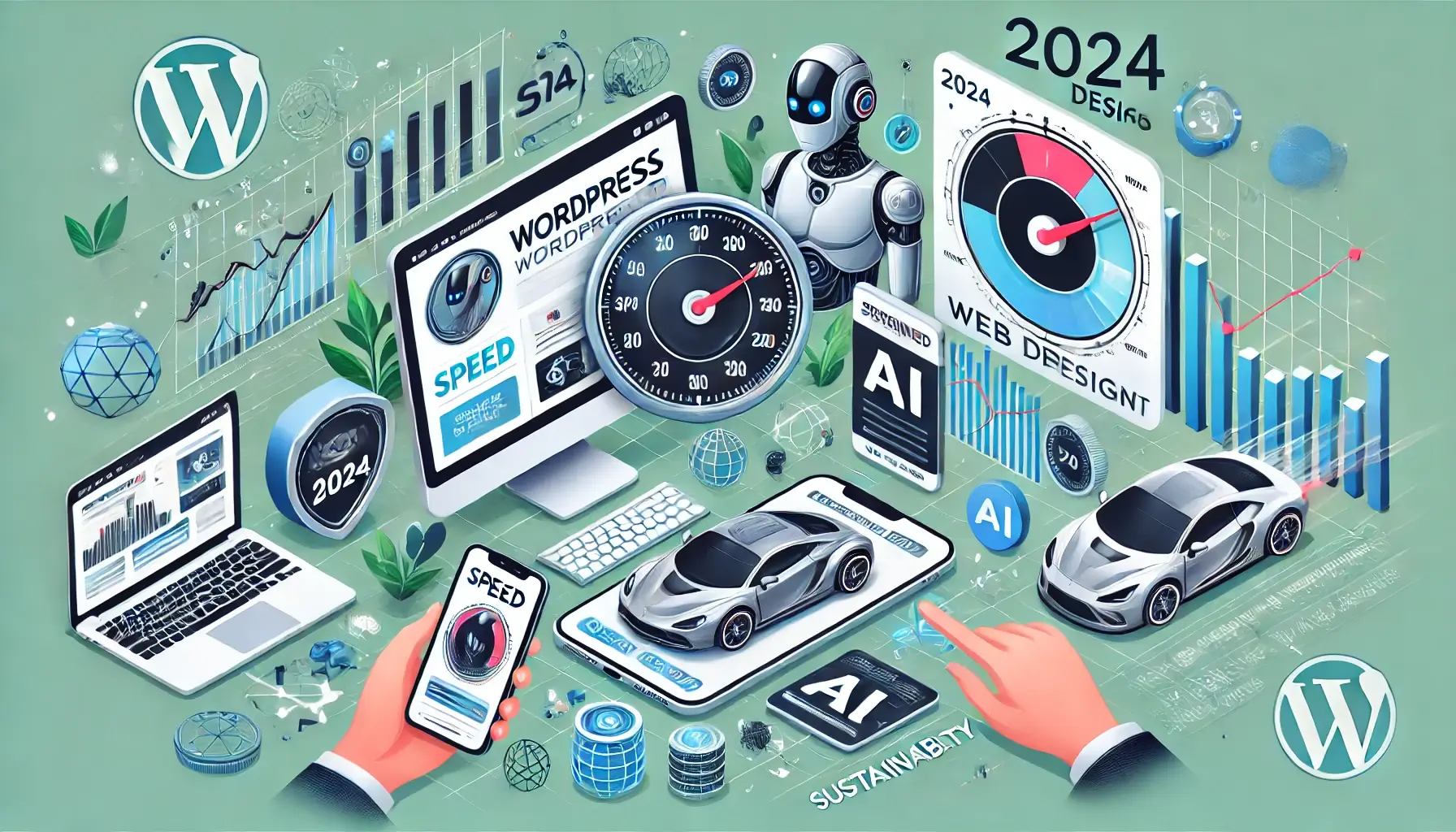
As 2024 draws to a close, it’s the perfect time to reflect on the web design and development trends that defined the year and consider what lies ahead in 2025. For businesses and developers alike, staying on top of emerging trends is crucial for creating competitive and engaging digital experiences. At NDIC, we specialize in WordPress web design, custom programming, and managed WordPress hosting, making us uniquely positioned to guide your digital strategy into the future. Here’s our recap of 2024’s key web trends and predictions for the year ahead.

2024: A Year of Personalization, AI, and Speed

1. Personalized Web Experiences Took Center Stage

In 2024, businesses prioritized tailoring their websites to individual users. Tools like advanced analytics and machine learning enabled websites to deliver personalized content, product recommendations, and dynamic layouts based on user behavior. This level of customization not only boosted engagement but also drove conversions.

2. AI Integration Became the Norm

Artificial Intelligence (AI) dominated the web design space this year. From AI-driven chatbots improving customer support to generative AI tools assisting in content creation, businesses embraced AI to enhance user experience and streamline operations. In custom programming, AI-powered tools optimized site performance and accessibility.

3. Core Web Vitals and Speed Optimization Were Priorities

Google’s emphasis on Core Web Vitals in search rankings pushed businesses to prioritize website speed and user experience. Techniques such as lazy loading, efficient coding, and managed WordPress hosting solutions ensured fast, responsive sites. NDIC’s hosting services played a vital role in helping our clients achieve lightning-fast load times while maintaining robust security.

4. Sustainability in Web Design

Sustainability became a prominent theme, with developers focusing on energy-efficient websites that use fewer server resources. Minimalist design and optimized code became not only a stylistic choice but an environmental statement.

What’s Next? Web Trends to Watch in 2025

Looking ahead, 2025 promises exciting advancements in web design, functionality, and technology. Here are the trends we predict will shape the digital landscape:

1. AI-First Websites

In 2025, AI will evolve from being a support tool to taking a central role in website development and maintenance. Expect to see:

  • AI-generated content: From blog posts to landing pages, AI will make creating on-brand content faster and easier.
  • Intelligent UX design: AI tools will adapt websites in real-time based on user interactions, creating a seamless and intuitive experience.
  • Predictive analytics: AI will help businesses anticipate user needs and proactively deliver solutions, increasing engagement and retention.

For businesses using WordPress, emerging plugins will make AI tools even more accessible, transforming how websites are managed.

2. Voice Search and Conversational Interfaces

With the rise of smart speakers and virtual assistants, voice search will continue to grow in popularity. Websites will need to optimize for natural language queries and implement conversational interfaces to remain competitive. Integrating voice-enabled search into custom WordPress programming will be a game-changer for user accessibility.

3. Enhanced Data Privacy and Security

As data privacy regulations expand, users will demand greater transparency and control over their information. Websites must adapt by incorporating:

  • Stronger encryption protocols.
  • Customizable cookie preferences.
  • Privacy-focused design that builds trust.

NDIC’s managed WordPress hosting already prioritizes security, ensuring that our clients’ websites stay ahead of the curve.

4. Interactive and Immersive Experiences

Web design in 2025 will focus on creating highly interactive and visually immersive experiences. Features like 3D graphics, augmented reality (AR), and advanced animations will engage users in entirely new ways. Custom programming will be key to bringing these features to life without compromising site performance.

5. Sustainability at the Forefront

The push for environmentally friendly websites will gain even more momentum. Beyond minimalist design, businesses will explore:

  • Green hosting solutions that reduce carbon footprints.
  • Energy-efficient coding practices.
  • Awareness-driven campaigns highlighting their sustainability efforts.

Position Your Business for Success in 2025

The web of 2025 will reward those who are prepared, adaptive, and strategic. Whether you’re looking to redesign your website, enhance its performance, or leverage cutting-edge technologies, NDIC is your trusted partner in digital transformation

Our team stays at the cutting edge of web development to ensure your business thrives in an ever-evolving digital landscape. Let’s work together to position your brand as a leader in 2025 and beyond.

Ready to Start? Let’s Talk!

Looking to upgrade your website or explore the latest trends? Contact NDIC today for a consultation. Together, we’ll bring your digital vision to life.

Top 5 Challenges of Website Migration and How we Solve Them for You

Website migration can be a daunting task for businesses. Whether you’re moving to a new managed hosting provider, redesigning your site, or transitioning to a different platform, migration comes with risks and challenges that can impact your business if not handled properly. At NDIC, we specialize in seamless website migrations, ensuring that you avoid downtime, preserve SEO rankings, and maintain a great user experience. In this article, we’ll explore the top five challenges of website migration and how NDIC helps you overcome them.

1. Avoiding Downtime During Migration

One of the most critical concerns during a website migration is minimizing downtime. Downtime can disrupt user access, negatively impact your brand reputation, and lead to lost revenue, especially for e-commerce platforms.

How NDIC Solves This:
Our team ensures a smooth migration process by using a carefully planned staging environment. This allows us to test the new setup thoroughly before making the live switch. We time the migration during off-peak hours and monitor the process closely to ensure minimal interruptions. With NDIC, your business stays operational while we handle the transition behind the scenes.

2. Preserving Organic Traffic and SEO Rankings

Website migrations can pose a significant risk to your site’s SEO performance. Broken links, incorrect redirects, and changes to site structure can lead to a drop in organic traffic, lower search engine rankings, and a loss of domain authority.

How NDIC Solves This:
We follow a meticulous SEO migration strategy to maintain your site’s search engine visibility. This includes mapping out 301 redirects for any URL changes, retaining on-page SEO elements like metadata and alt tags, and ensuring that Google Analytics and other tracking tools remain functional. Our experts work to preserve your domain authority and search rankings, so your business continues to thrive post-migration.

3. Ensuring a Flawless User Experience

A website migration can affect the overall user experience (UX), especially if new features are introduced or the site’s layout is altered. Poor navigation, broken links, or inconsistencies in the design can lead to user frustration and increased bounce rates.

How NDIC Solves This:
At NDIC, we prioritize your users’ experience. We conduct extensive testing before going live, ensuring that navigation, functionality, and design remain consistent across all devices and browsers. Our team pays close attention to detail, from layout adjustments to mobile responsiveness, ensuring that your visitors have a seamless experience throughout the transition.

4. Maintaining E-Commerce Functionality and Sales

For e-commerce businesses, website migration involves additional challenges, such as ensuring that product pages, payment gateways, and inventory systems remain functional. Even a small error can lead to lost sales and customer dissatisfaction.

How NDIC Solves This:
We specialize in e-commerce migrations, ensuring that all features, from product catalogs to checkout processes, work flawlessly after the transition. Our experts test every aspect of your e-commerce platform, including integrations with third-party tools like CRMs, marketing software, and shipping providers. We also monitor your site post-launch to address any issues immediately, minimizing disruptions to your sales pipeline.

5. Post-Launch Quality Assurance

Many businesses focus solely on the migration process but overlook the importance of post-launch quality assurance (QA). Issues can arise even after the migration, including plugin conflicts, performance drops, or unoptimized features.

How NDIC Solves This:
Our support doesn’t end when your site goes live. NDIC provides comprehensive post-launch QA to identify and resolve any lingering issues. We perform load testing to ensure your site can handle high traffic volumes, monitor performance metrics, and provide updates to optimize speed and security. With our managed hosting solutions, your website remains reliable, secure, and up-to-date long after the migration.


Why Work with NDIC?

Website migration is a complex process, but NDIC takes the stress out of it. Here’s why businesses trust us:

  • Expertise Across Platforms: Whether you’re migrating within WordPress or moving from another CMS, our team has the experience to manage the process smoothly.
  • Custom Solutions: We tailor our approach to fit your unique needs, ensuring that every aspect of the migration aligns with your business goals.
  • Comprehensive Support: From planning and execution to post-launch monitoring, we’re with you every step of the way.

Key Stages of a Successful Website Migration with NDIC

  1. Planning:
    • In-depth consultation to understand your needs.
    • Creating a migration roadmap.
    • Backing up your existing site and data.
  2. Execution:
    • Setting up a staging environment for testing.
    • Conducting SEO and UX audits to ensure nothing is overlooked.
    • Monitoring the migration to prevent downtime.
  3. Post-Launch:
    • QA testing to address any issues.
    • Performance optimization to improve speed and security.
    • Ongoing support and updates to keep your site running smoothly.

Migrating a website doesn’t have to be a headache. With NDIC, you get a team of experts dedicated to making the process seamless and stress-free. Whether you’re redesigning, switching hosting providers, or scaling your e-commerce platform, we ensure that every step is handled with precision and care.

Ready to make your move? Contact NDIC today to start your hassle-free website migration!

How Can WooCommerce Help You Sell More?

Having the right tools to sell online can make all the difference for your business. WooCommerce, a powerful e-commerce plugin for WordPress, is designed to give you everything you need to create and grow an online store. Whether you’re just starting out or looking to enhance your existing setup, WooCommerce offers unparalleled flexibility and features to help you boost sales and deliver a seamless shopping experience.

Let’s explore what WooCommerce is and how it can help your business thrive

1. Create a Personalized Shopping Experience

WooCommerce allows you to tailor your store to your target audience. You can showcase products in visually appealing layouts, implement upselling and cross-selling strategies, and offer personalized recommendations to encourage more purchases.

2. Optimize for Mobile Users

With mobile commerce on the rise, WooCommerce ensures your site is fully responsive. This means your store will look great and function smoothly on any device, improving the shopping experience and increasing conversions.

3. Boost Customer Retention

WooCommerce supports tools like abandoned cart recovery, email marketing integrations, and loyalty programs. These features help you retain customers and encourage repeat purchases.

4. Leverage Data Insights

WooCommerce provides detailed analytics and reporting tools, allowing you to understand customer behavior and sales trends. These insights can help you make data-driven decisions to optimize your marketing and product strategies.

5. Expand Your Market Reach

With WooCommerce, you can sell internationally by supporting multiple currencies, languages, and tax configurations. This global reach opens the door to new revenue streams.

How NDIC Can Help with Your WooCommerce Setup

At NDIC, we specialize in WordPress website design, hosting, and custom programming. Our expertise ensures your WooCommerce store is not only visually stunning but also optimized for sales. Here’s how we can support your journey:

1. Custom WooCommerce Design

We design e-commerce websites tailored to your brand and business goals. Whether you need a minimalist store or a complex catalog, our team ensures your site stands out and offers a seamless user experience.

2. WooCommerce Development

Our developers can build custom functionality to meet unique business requirements. From advanced filtering systems to personalized product pages, we make WooCommerce work for you.

3. Hosting and Performance Optimization

Slow-loading websites can hurt your sales. With NDIC’s managed WordPress hosting, we ensure your WooCommerce site is fast, secure, and always available.

4. Security and Updates

Keeping your WooCommerce store secure is crucial. We provide regular updates, plugin monitoring, and backups to protect your site from vulnerabilities.

5. SEO and Marketing Integrations

Our team integrates WooCommerce with tools like Google Analytics, Facebook Ads, and email marketing platforms to help you attract more traffic and convert visitors into customers.

We also build the websites considering the basic SEO checklists for an optimized WordPress site so the search engines can properly index your pages.

Conclusion

WooCommerce is more than just an e-commerce platform—it’s a tool that empowers businesses to sell effectively online. Its flexibility, scalability, and integration capabilities make it the perfect choice for businesses of all sizes.

Partnering with NDIC ensures your WooCommerce store is not only set up correctly but also optimized to maximize sales and customer satisfaction. Whether you’re just starting or looking to enhance your existing store, our team is here to help every step of the way.

Ready to take your e-commerce business to the next level? Contact NDIC today to get started with WooCommerce and watch your sales soar!

Why Your Business Needs a Website Maintenance Plan

Hosting, Expert Support, and Personalized Service from NDIC

As businesses grow, their websites need regular updates, reliable security, and consistent performance improvements to keep up with user expectations. A website maintenance plan offers exactly that, ensuring your website is optimized, secure, and running smoothly. Here’s why having a team like NCID is essential for this.


Why Website Maintenance Matters

Regular website maintenance is essential to keep content fresh, functionality smooth, and your online presence aligned with your business goals. Updating content, refreshing design or functionality adjustments contribute to an engaging, reliable website.

Keeping plugins and the WordPress core updated is vital for security and functionality; outdated software can expose your site to vulnerabilities, making it a target for hackers. Regular updates help patch security flaws, improve compatibility, and ensure your website operates seamlessly and securely.

When handled by an expert team, this process becomes efficient and stress-free. With NCID’s dedicated support, your team can focus on core business areas, leaving web updates and optimization to us.

Hosting Options That Meet Your Needs

NCID offers a range of managed hosting options for WordPress, including fast loading speeds, automated backups, and proactive security measures. Managed WordPress hosting allows businesses to benefit from optimized server environments, seamless updates, and tailored support, giving peace of mind that your site is backed by powerful infrastructure. Explore our hosting plans to find one that best fits your needs, ensuring your website remains high-performing and secure.

Most of our plans come with some time for content updates, so you can also use this time to make small updates on a monthly basis.

Comprehensive Maintenance Services

With NCID’s website maintenance plan, your business gains access to a full range of services, from content updates and plugin management to hosting support and enhanced security. This personalized approach not only simplifies website upkeep but also helps safeguard your digital assets from potential threats.

Expert Support When You Need It

Relying on a professional team means troubleshooting, optimizations, and enhancements are handled swiftly and expertly. NCID’s maintenance plans are designed to provide all-in-one website care, saving your business time and resources while ensuring your online presence reflects your best work.

Investing in a website maintenance plan with NCID ensures your business stays competitive, secure, and optimized—so you can focus on growth with the confidence that your digital presence is in capable hands.

If you don’t have a website at the moment and are considering the best options, give us a call if you would like to talk with our sales team to work on the best solution for your online business.

How to Reduce Cart Abandonment Rate and Recover Lost Sales

Cart abandonment is a common challenge in eCommerce, with studies showing that up to 70% of online shoppers abandon their carts before completing their purchases. Understanding why customers abandon their carts and taking steps to reduce this rate can make a significant difference in your store’s revenue. Let’s explore the reasons behind cart abandonment, its impact, and effective tools to re-engage those customers, including email automation plugins like Klaviyo.

Why Reducing Cart Abandonment Matters

When a customer leaves items in their cart, it represents a missed opportunity for both a sale and for creating brand loyalty. High abandonment rates can hurt your bottom line, but they also provide valuable insight into potential friction points in the buying process. Reducing cart abandonment not only improves your revenue but also creates a smoother customer experience, increasing the likelihood of repeat purchases.

Common Causes of Cart Abandonment

Understanding why shoppers leave their carts can help you address and prevent abandonment. Here are a few frequent causes:

  • Unexpected costs at checkout (e.g., high shipping fees)
  • Complicated or lengthy checkout processes
  • Lack of trust (e.g., security concerns or missing information on product pages)
  • No guest checkout option
  • Technical issues on the site (slow loading times, errors, etc.)

Proven Strategies to Reduce Cart Abandonment

  1. Optimize the Checkout Process: Simplify the checkout process by reducing the number of steps, offering guest checkout options, and ensuring mobile-friendly design.
  2. Display Clear Shipping Information Early: Be transparent about shipping fees and delivery times on the product page, so customers aren’t surprised at checkout.
  3. Highlight Security Features: Use SSL certificates, display secure payment logos, and include trust badges to reassure customers that their data is safe.
  4. Implement Exit-Intent Pop-Ups: Use pop-ups that activate when a user intends to leave the page, potentially offering them a small discount or incentive to complete their purchase.

Re-Engaging Customers with Abandoned Cart Emails

One of the most effective ways to reduce abandonment is by reaching out to customers who leave items in their carts. Abandoned cart emails are a powerful tool, with studies showing that nearly 50% of these emails are opened, and a significant portion of customers return to complete their purchase.

Email Marketing Tips and Tricks to Drive Sales

Choosing the Right Tools for Abandoned Cart Emails

There are many tools available that can automate the abandoned cart recovery process, allowing you to send a series of personalized, timed emails to bring customers back. Here are some popular plugins that integrate seamlessly with platforms like WooCommerce:

  • Klaviyo: A powerful tool that combines email marketing and customer segmentation, Klaviyo allows you to design tailored, branded emails based on specific customer behaviors. With Klaviyo, you can set up automated abandoned cart email flows that trigger after a certain time, personalizing the message to show the items left in the cart and potentially offering a discount to encourage completion.
  • WooCommerce Abandoned Cart Recovery: For WooCommerce users, this plugin is specifically designed for recovering abandoned carts. It allows you to send automated emails and offers templates you can customize with a few clicks. You can also track which products are abandoned most frequently, helping you identify patterns and make improvements.
  • OptinMonster: Known for its pop-up and lead generation capabilities, OptinMonster also offers abandoned cart recovery tools, including exit-intent pop-ups and follow-up emails to re-engage customers who left the site.

How We Can Help

Setting up and optimizing your abandoned cart recovery tools can be complex, but that’s where we come in. From selecting the right plugins to handling the full setup and email flow design, we’ll ensure your store is equipped to recover lost sales and improve customer retention. Reach out to us to explore the best recovery options for your unique store needs.

Reducing cart abandonment is achievable with the right strategies and tools. Implement these steps, consider automated follow-ups, and feel free to reach out to us for a customized solution that can help your business succeed.


Trusted by These Great Companies

Tell us about your website needs - we’d like to hear from you!

What's New

When SaaS Stops Scaling: The Case for Custom Software

Most mid-market businesses hit the same wall around year five of growth. They've built their entire operation on top of… more

Why Most Companies Are Approaching AI Backwards (And How to Fix It)

Most companies buy an AI tool first and try to fit it into their business afterward. That order rarely works.… more

Read All