
Why Anonymous Visitor Detection
If someone visits your website and does nothing but read a page or two and leave, can you figure out who they are? Historically, the answer has been no because web browsers like Chrome are designed to be secure and not give away personal information, unless the visitor explicitly fills out a form and provides that information. In other words, unless someone buys something from your website, or fills out a form that requests personal information, you have no way of knowing their name, email address or other personally identifying details. Since only a fraction of your site visitors will ever fill out a contact form, many website owners are missing out on the vast majority of website leads that come to their site.
The information that can be collected by your website without a visitor’s consent is limited and includes the IP address their computer is currently assigned, the page they visited, the date and time, the type of browser they used, and the type of computer they are on. From this basic information, Google Analytics can discern an amazing amount of data such as what country your visitors are coming from primarily, or what is the most popular page on your website. However, none of this tells you who the person is or gives you any way to contact them in the future.

 Microsoft Windows has the largest worldwide market share of all operating systems. As a result, it’s also the number one target for virus writers. If you want your virus or malware to infect the most number of computers, you would logically write it for Windows.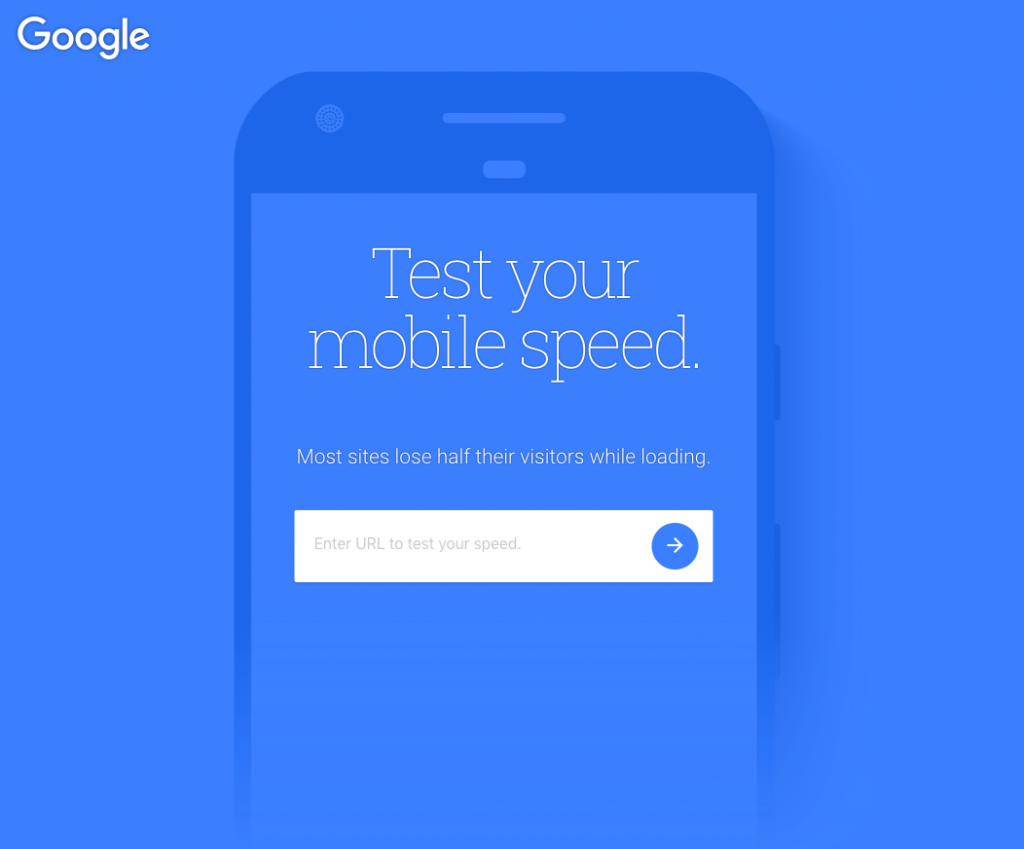
 Google provides two tools for testing the performance of your website from a desktop or mobile device.

 Historically, if you wanted more leads from your website, you would hire a consultant or an agency to help make your website “better.” You would design a more attractive website, write marketing copy that was more compelling or work on your SEO to try to increase the number of visitors to your site. All of these are valid approaches to improving website performance, however, there are problems with this approach. What is a “better” design and who is it more attractive to? Have you come across websites that you loved but your spouse or partner hated? How about marketing copy that turned you off but got a friend or associate so excited, they couldn’t stop talking about the product or service?