SEO in the Age of AI: How to Stay Visible When Clicks Decline
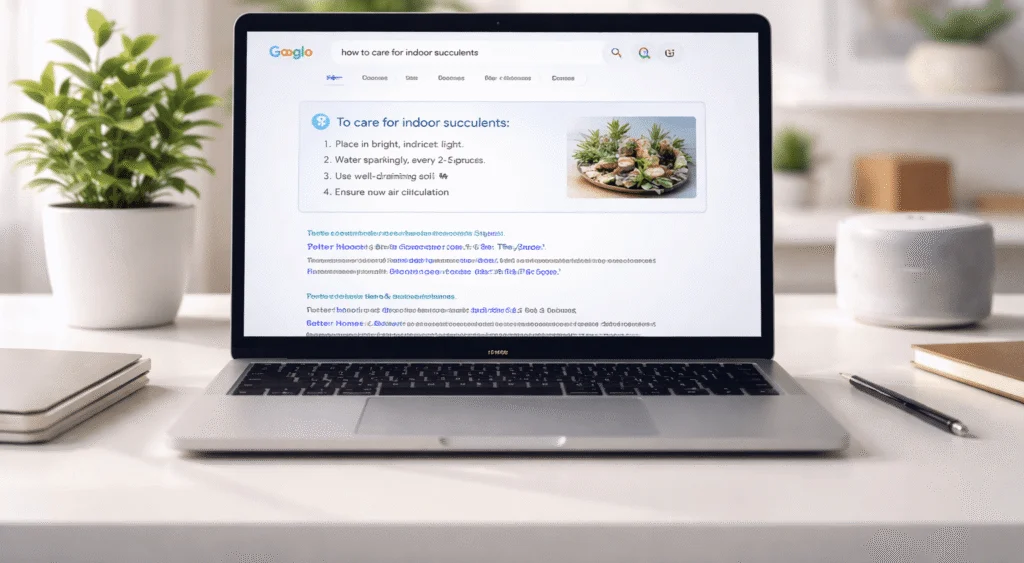
Search is now AI-first. Instead of returning a list of blue links, search engines increasingly answer questions directly in the results through AI summaries and conversational interfaces, often without users clicking through to a website.
This doesn’t mean SEO is dead, but it does mean it’s evolving: visibility today depends less on keyword rankings and more on clear answers, authority, and measurable performance in an AI-driven search world.
Why AI summaries reduce classic SEO clicks
AI summaries compress the customer journey. Users ask a question, get a synthesized answer, and only click if they need deeper detail.
The impact shows up in the data:
A Seer Interactive analysis reported major CTR declines on informational queries with AI Overviews; an organic CTR drop of 61% since mid-2024 (and paid CTR down 68% on those same queries).
Pew Research found that when an AI summary appears, users click traditional results less often (8% of visits vs 15% when no AI summary appears).
Separately, SparkToro’s 2024 study found 58.5% of U.S. Google searches end with zero clicks, meaning the session ends or the user refines the query without visiting any site.
In practical terms: you can “rank” and still see fewer visits because the SERP is doing more of the work.
The new goal: optimize for answers and authority (not just keywords)
In AI-first search, the winners aren’t only the pages that match a keyword. They’re the pages that:
Answer the question clearly
Demonstrate credibility
Provide depth AI can cite (and users trust)
You still need keyword research but now it’s the starting point, not the finish line.
How to adapt your content strategy for AI-first search
Here are the most effective shifts we’re recommending to NDIC clients right now:
1) Write for questions, not phrases
Instead of building pages around short keywords (“best picture frames”), build around real user questions:
“What frame style works best for a bright room?”
“How do I choose the right print size for a hallway?”
“What’s the difference between matte and glossy prints?”
Action: Pull questions from sales calls, customer support, site search, and Google’s “People also ask.” Then create content that answers them directly.
2) Put the answer first, then expand
AI summaries and impatient users both reward clarity.
Structure that works:
A 1–2 sentence direct answer
Bulleted steps or key takeaways
A deeper explanation (examples, screenshots, FAQs)
Action: Add a short “Quick answer” section near the top of key pages, especially informational posts and support pages.
3) Strengthen “authority signals” (E-E-A-T)
AI systems and users look for trust signals:
Real authorship (who wrote it, why they’re qualified)
Freshness (last updated dates where appropriate)
Citations and sources (especially for stats/claims)
Helpful, original examples (not generic rewrites)
Action: Add author bylines, update dates, and a short “Why trust _____” box for high-value guides.
4) Build topic clusters, not one-off posts
AI favors sites that demonstrate consistent expertise, not random content.
Example cluster:
AI-first search → GA4 measurement → conversion tracking → landing page optimization → technical SEO
Action: Choose 3–5 core themes and publish in clusters. Internally link them so each post supports the others.
5) Update success metrics beyond “rankings”
If clicks decline, you need a broader view of performance:
Branded search growth
Assisted conversions (organic contributing earlier in the journey)
Engagement quality (time on page, scroll depth)
Action: In GA4, track conversion events and create a simple dashboard showing organic contribution, not just organic sessions.
What NDIC recommends next
AI-first search doesn’t remove the need for SEO, it raises the bar. The brands that win will be the ones that publish content worth citing, worth trusting, and worth clicking when users want more than a summary.
While NDIC doesn’t lead full SEO strategy development, we do help clients make sure their websites are technically sound, measurable, and ready to support modern search behavior.
We can assist by:
Making sure your site is technically optimized for AI-driven search (performance, structure, accessibility, and clean markup)
Setting up and refining analytics to measure what actually matters: conversions, engagement, and organic contribution in GA4
Identifying technical and content-structure improvements that support visibility and authority
Referring you to trusted SEO specialists when a comprehensive strategy or ongoing optimization is needed
If you’d like help improving how your site is measured, structured, and prepared for AI-first search or want a referral to an SEO expert for deeper strategy, we’re happy to point you in the right direction.