
How to Stop Website Spam and Phishing Emails
Tired of spam? We all are! Spam isn’t just annoying, it can waste time, clutter your inbox, and even expose your business to security risks. If your website forms are getting flooded with fake submissions or your inbox is full of suspicious emails, you’re not alone.
At NDIC, we regularly help clients reduce spam using a practical, layered approach. The goal isn’t just to block spam it’s to do so without hurting the experience for real users.
Here’s how to protect your website and email effectively.
Step 1: Start with reCAPTCHA (Your First Line of Defense)
The simplest and most effective first step is implementing reCAPTCHA on your forms.
This is the familiar “I’m not a robot” checkbox or image challenge that helps distinguish real users from automated bots.
Why it works:
- Blocks most automated spam instantly
- Easy to implement
- Low cost (often free)
Limitations:
- Doesn’t stop manual spam (real people submitting junk)
- Adds a small step to the user experience
👉 Still, for most sites, reCAPTCHA eliminates a significant percentage of spam right away.
Step 2: Add Akismet for Smarter Filtering
If your site runs on WordPress, Akismet is one of the most powerful anti-spam tools available.
It works by analyzing the content of form submissions and filtering out anything that looks suspicious.
Why it works:
- Catches a wide range of spam types
- Integrates well with tools like Gravity Forms
- Continuously improves based on global data
Things to keep in mind:
- Requires a paid subscription
- Occasionally flags legitimate messages as spam (false positives)
👉 Because of this, it’s important to periodically check your spam folder to ensure you’re not missing real inquiries.
Step 3: Validate Email Addresses in Real Time
Another effective method is verifying whether an email address actually exists before the form is submitted.
Tools like:
- debounce.io
- Email validation add-ons for Gravity Forms
- Other email verification services
…can check if an email is valid without sending a message.
Why it works:
- Blocks fake or non-existent email addresses
- Improves lead quality
Limitations:
- Won’t catch disposable emails
- Can’t stop all malicious users
Why a Layered Approach Works Best
No single tool will stop all spam. The most effective strategy is to combine multiple methods:
- reCAPTCHA → blocks bots
- Akismet → filters suspicious content
- Email validation → verifies user input
👉 Together, these create a much stronger defense while still allowing real users to interact with your site easily.
How to Spot Phishing and Fake Emails
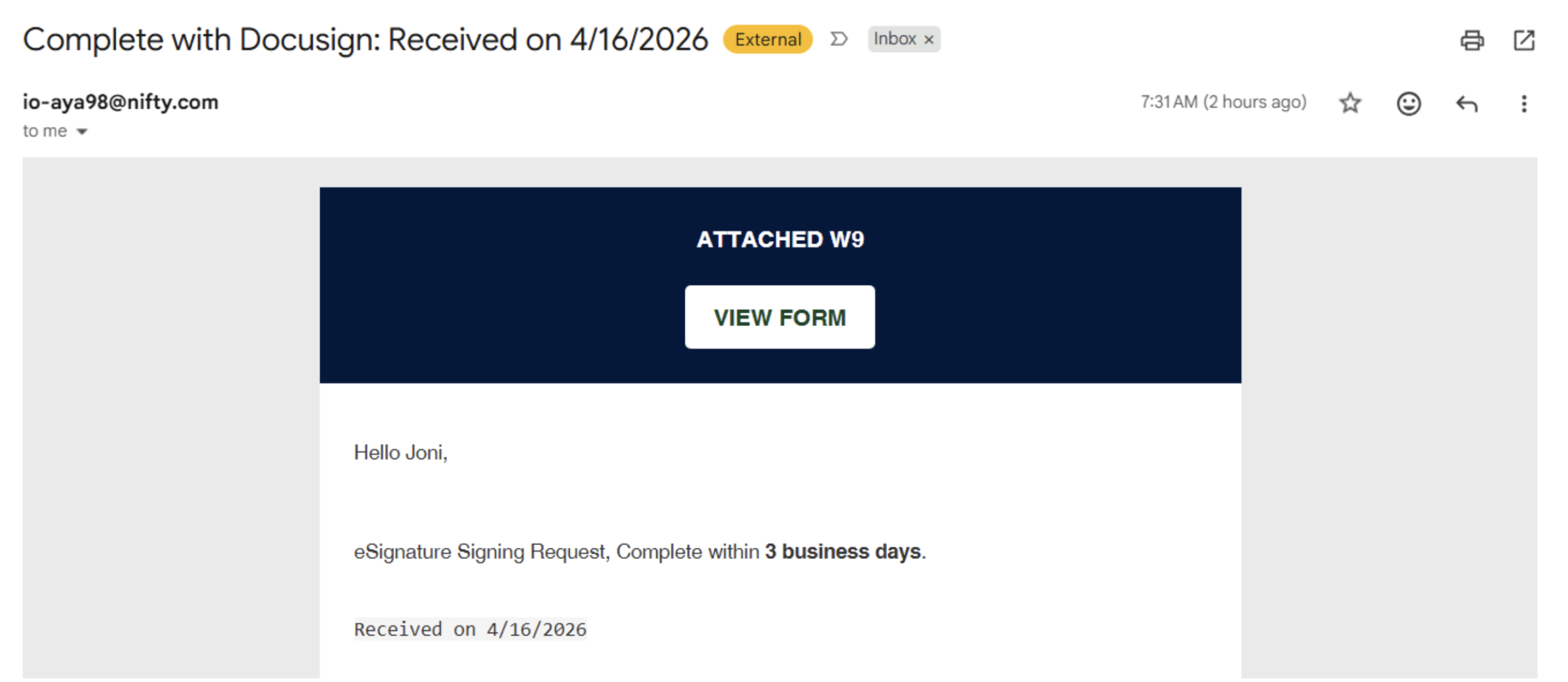
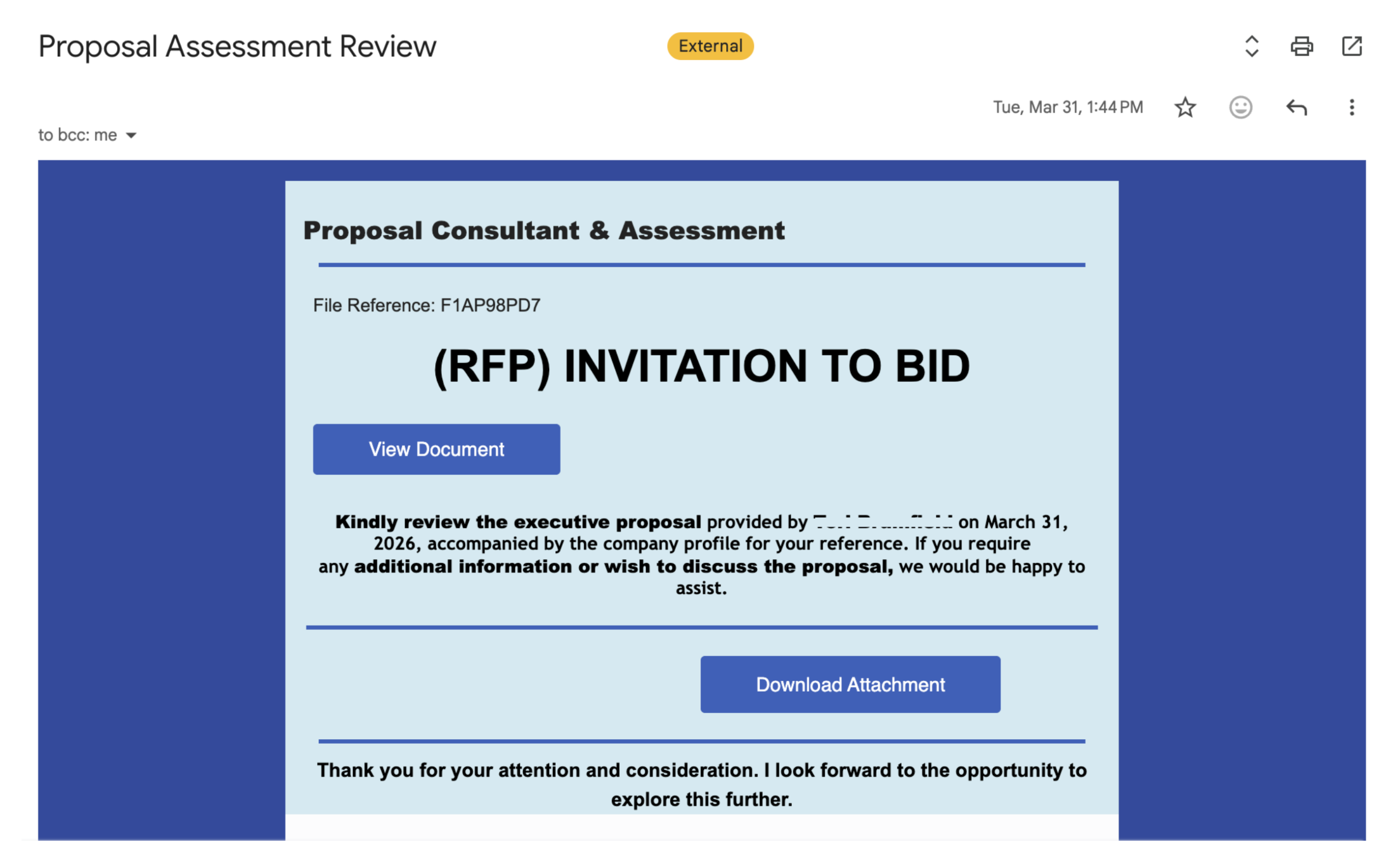
Spam doesn’t just come through forms, it often arrives via email as well. You can read more on how to identify phishing and suspicious emails in our Knowledge base and here are some examples of how those emails look like.
Don’t Forget the Human Side of Spam Management
Even with the best tools in place, spam will occasionally get through and sometimes legitimate messages may get flagged.
That’s why it’s important to:
- Regularly review spam folders
- Monitor form submissions
- Adjust filters as needed
👉 Think of spam prevention as an ongoing process, not a one-time fix.
There’s No Perfect Solution, But There Is a Smart One
Just like email inboxes still receive occasional spam, no website form will ever be 100% protected. The key is to reduce spam to a manageable level while maintaining a smooth experience for real users.
By starting with reCAPTCHA, adding intelligent filtering like Akismet, and validating user input, you can dramatically reduce unwanted submissions and improve the quality of your leads.
At NDIC, we help businesses implement the right tools and strategies to keep their websites secure, efficient, and user-friendly.
👉 Contact us today to learn how we can help reduce spam and improve your site’s performance.


Related Posts

When SaaS Stops Scaling: The Case for Custom Software
Most mid-market businesses hit the same wall around year five...

Why Most Companies Are Approaching AI Backwards (And How to Fix It)
Most companies buy an AI tool first and try to...

WooCommerce Caching Done Right: Speed Without Breaking the Cart
Caching is one of the simplest ways to make a...

When AI Is Your Coworker, What Happens to 40 Hours?
For decades, the standard workweek has remained surprisingly consistent. Most...